If you’ve ever felt a strong desire to have a drink appear out of the blue, or if you often find yourself struggling to resist a drink in a social setting, then you may in fact be experiencing alcohol cravings. For some, this phenomenon might only happen rarely but for others alcohol cravings are a part of everyday life.
While craving wine or beer doesn’t necessarily mean you’re an alcoholic or that you abuse alcohol, it is important to understand what is causing the craving and the impacts that they can have on your life, and on your health. If you’re wondering how to stop alcohol cravings and free yourself from drinking alcohol, then this is the guide for you.
What Are Alcohol Cravings?
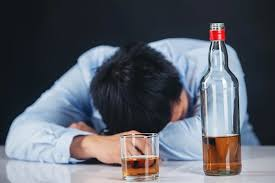 The way alcohol cravings work is quite simple and is consistent across various groups of people with different drinking habits. When we crave alcohol, we are in a state of anticipation, meaning our body is making us aware that it wants to ingest alcohol or use other drugs. More often than not, this feeling is caused by a form of a mild withdrawal or as a response to certain stimuli, like being surrounded by people who are drinking or remembering a fond moment where drinking was involved.
When we crave, the effects on our bodies can vary from person to person, with some experiencing heightened arousal while others experience depressed heart rates.
This is also true for drug abuse and substance abuse suffers who are experiencing withdrawal, the point being that cravings are highly subjective and difficult to predict.
The key to overcoming our own cravings is to identify and understand the things that trigger our cravings so we can create a plan to curb them. While ultimately, cravings are not our fault, being a natural symptom of addiction, they are our responsibility to manage as we continue on our recovery journey to kick alcohol completely.
Why Do Alcohol Cravings Happen?
Changes In Brain Chemistry
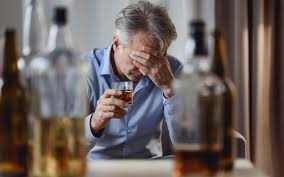 In order to curb alcohol cravings and distance oneself from alcohol use disorder, we must first understand exactly what causes cravings to happen. The first and foremost cause of any craving is the changes in brain chemistry caused by prolonged use and abuse of substances.
Over time, alcohol use begins to affect the neurotransmitters, or chemical messengers, in your brain.
These changes can lead to tolerance development, or a need to drink more in order to feel the same effects.
This can leave you more sensitive to alcohol’s negative effects on the body, raising your risk of withdrawal symptoms and alcohol abuse side effects.
A key indicator of whether your brain chemistry has been altered by a substance is whether when not drinking, you begin to notice feelings of anxiety or other emotional distress, along with strong cravings for alcohol. If this is the case you are most likely suffering from a form of alcohol withdrawal and should seek professional help or try out support groups like alcoholics anonymous.
“Alcohol use begins to affect the neurotransmitters, or chemical messengers, in your brain.”
Formation of Habits
Another cause of alcohol cravings can come from the formation of habits around alcohol drinking. People often begin to consume alcohol regularly because they notice that drinking can lead to positive feelings and can improve their mood. This habit formation isn’t unique to just those who abuse alcohol either. If you have ever found yourself pouring a nightly glass of wine after work to relax, then you may have unknowingly formed a habit.
The pleasant euphoria you experience when drinking becomes a reward, one that reinforces your desire to drink in certain situations. When these habits start to become a problem is when your dependency on the reward becomes too great, and when you might eventually start craving that reward in new situations.
Triggers
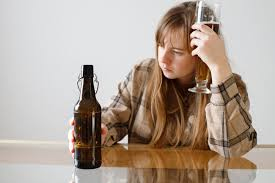 Another cause of alcohol cravings comes in form of triggers. More common in those who have a more unhealthy relationship with alcohol, triggers are urges to drink that are set off by external factors in the environment or internal factors within yourself. External triggers are people, places, things, or times of day that offer drinking opportunities or remind you of drinking.
Internal triggers on the other hand can be puzzling because they can make it seem as if the urge to drink just happens pop up.
When given the time and proper analysis, you can come to realise that internal triggers are usually set off by a fleeting thought, a positive emotion such as excitement, a negative emotion such as frustration, or a physical sensation such as a headache, tension, or nervousness.
How Long Do Alcohol Cravings Last?
So when do alcohol cravings go away? Cravings do lessen over time but it can take some people many years to eliminate them altogether, with a general rule of thumb being that the worse the addiction, the longer the cravings will last.
“The worse the addiction, the longer the cravings will last.”
How To Stop Alcohol Cravings
Avoid Tempting Situations
If you’re desperate to know how to stop alcohol cravings, the best strategy to will usually be to avoid taking the chance that you’ll encounter a trigger, then slip and drink.
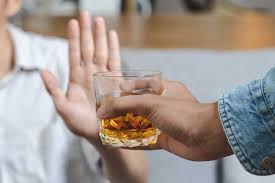 At home, keep little or no alcohol in the house is the best way to accomplish this, as without the substance being on your mind, you can hopefully escape the pull of cravings.
In social situations, avoiding activities that involve drinking is your best best to mitigate cravings. If you feel guilty about turning down an invitation, remind yourself that you are not necessarily talking about “forever.”
When the urges subside or become more manageable, you may decide to ease gradually into some situations you now choose to avoid. In the meantime, you can stay connected with friends by suggesting alternate activities that don’t involve drinking.
Strategies For Unavoidable Situations
The reality of alcohol use disorder and suffering from alcohol cravings is that it is not always possible to avoid all tempting situations or to block internal triggers, meaning that you’ll need a range of strategies to handle urges to drink. One such strategy for those wondering how to stop alcohol cravings, is to remind of your reasons for making a change. Carry your top reasons on a wallet card or in an electronic message that you can access easily, such as on a mobile phone or a saved email.
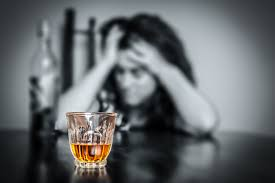 Another strategy for those asking how to stop alcohol cravings is to talk it through with someone you trust.
Having a trusted friend on standby for a phone call, or bringing one along for support in situations where you might be tempted to drink is a great solution that can help you more than you would expect.
If you’re still wondering how to stop alcohol cravings, you can also try to challenge the thought that drives the urge. Stop it, analyse the error in it, and replace it.
If worst comes to worst, the final option for how to stop alcohol cravings is to simply leave tempting situations quickly and gracefully – you can’t drink if you’re not near alcohol and soon enough the cravings will come to pass.