Blood alcohol content (BAC), also known as a blood alcohol level, is the amount of alcohol in your blood. As you well know, alcohol is the intoxicating ingredient found in beer, wine and liquor and it enters your body through consumption of these drinks. When you consume alcoholic beverages, your stomach and small intestines rapidly absorb the alcohol and enter it into your bloodstream.
Alcohol is a toxin to your body, so your liver then metabolizes the alcohol to filter it out of your blood. If you’re drinking faster than your liver can process the alcohol, your BAC increases and you may feel the effects of drunkenness, also called intoxication. So how exactly do we go about calculating blood alcohol level?
How Blood Alcohol Levels Work
Blood alcohol acts as an indicator of how much alcohol is left in your bloodstream that your liver is yet to process. In general, your liver can process about one alcoholic drink per hour, which is typically defined as 12 ounces of beer, 5 ounces of wine or 1.5 ounces of liquor. However, different beers and wines can contain different percentages of alcohol, so be aware of exactly how much you are consuming, as this is the first step in calculating blood alcohol levels.
What Affects Blood Alcohol Levels?
Regardless of any other factors, the more a person drinks, the higher their BAC will become, however, the rate at which this BAC rises can differ between two people who drink the same amount of alcohol. This is due to a variety of factors, however the most common include:
Body Size
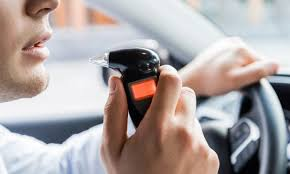
In terms of general body size, a smaller person will generally have a higher BAC than a larger person when they consume the same amount of alcohol. This is because the alcohol consumed by the small person is concentrated in their smaller body mass, giving it a greater concentration than it would in a larger person.
Related to this, a person’s body fat percentage can also influence calculating blood alcohol levels. This is because alcohol is not absorbed into fatty tissue, therefore people with a greater proportion of body fat will develop a high BAC more quickly than those who have lower proportions of fatty tissue at a similar body weight. This occurs because the alcohol becomes concentrated in the smaller mass of non-fatty tissue, greatly influencing calculating blood alcohol levels.
Food Consumed
Food consumption also influences the uptake of alcohol in a person’s system. A person with an empty stomach will reach a higher BAC sooner than someone who has just eaten a meal, because food in the stomach slows the rate at which alcohol passes into the bloodstream. However, eating before drinking does not prevent intoxication, and should not be relied on as a strategy for reducing BAC.
Gender
Women’s bodies, being generally smaller than those of men and with a higher ratio of fatty tissue to lean muscle, tend to absorb alcohol more quickly than men’s bodies do. This means that a woman drinking the same amount of alcohol as a man, will develop a high BAC more quickly than the man will, a fact which should be taken into account when calculating blood alcohol levels.
 Drinking Experience
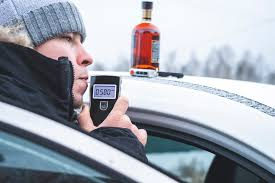
Regular drinkers can develop a tolerance to alcohol over time as their body becomes used to the effects of alcohol. This means that for a person with a higher alcohol tolerance, they may not feel the same physical and mental effects of alcohol drinking as they did when they first started drinking, or as someone who drinks significantly less would.
However, this perceived tolerance does not actually have any real effects on their blood alcohol content, meaning that even if they feel that they experience the effects of alcohol differently, their tolerance will not come into play when calculating blood alcohol level.
Methods for Calculating Blood Alcohol Levels
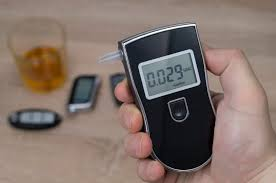 The most basic method for calculating blood alcohol levels is to assess how you feel at the time. As you consume alcoholic beverages and approach the 0.08% BAC legal driving limit, you may notice that you’re less inhibited and more extroverted than normal.
If you continue drinking past this 0.08% BAC, you may experience dramatic mood swings, slurred speech, and begin to develop unsound judgment.
If you feel this happening, be sure to err on the side of caution and don’t do anything that requires you be in a sober mind. TREATMENT SPECIALISTS ARE WAITING FOR YOUR CALL – 24/7 FREE HELPLINE – 877 322 2694